

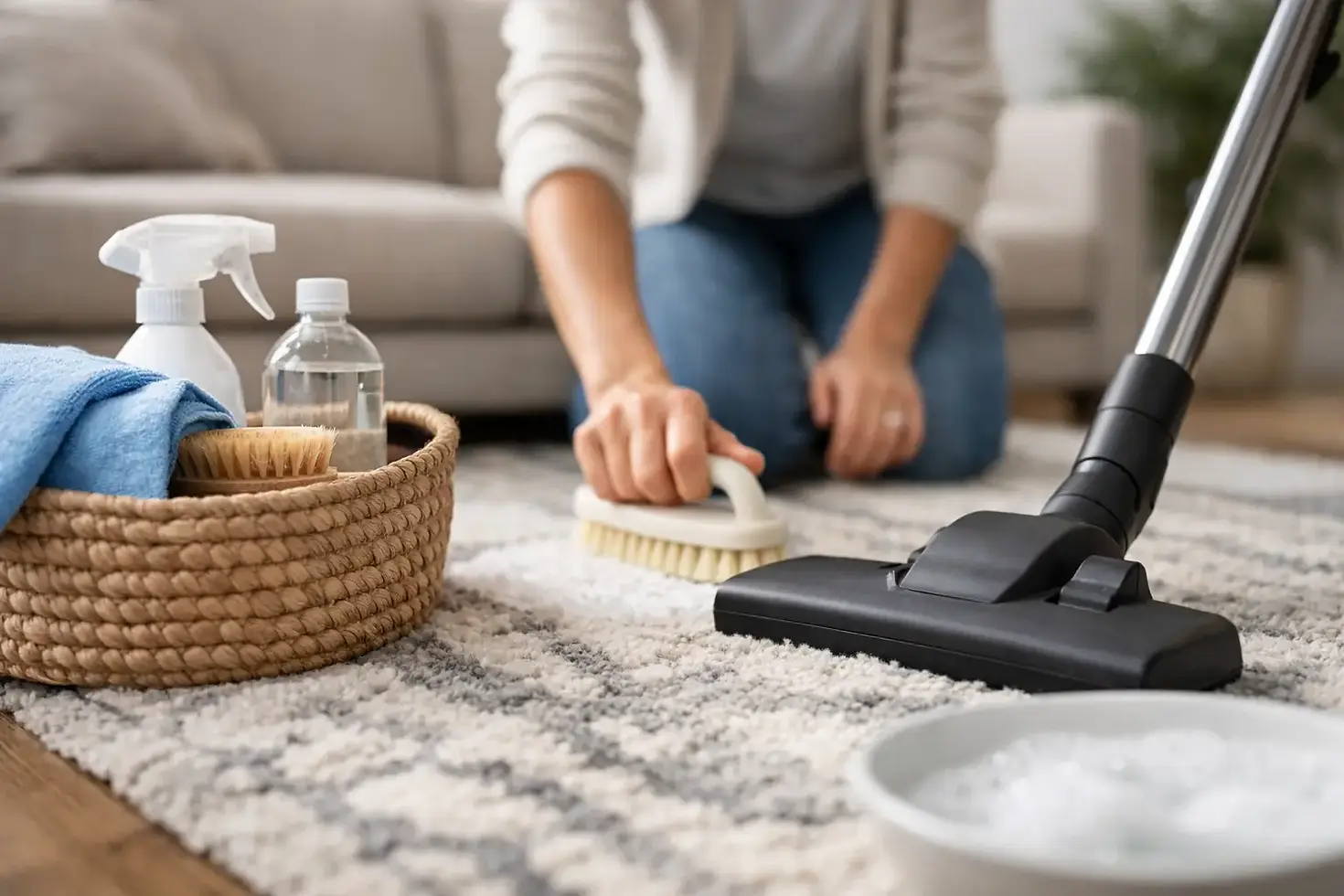
A Practical Guide to Area Rug Care
An area rug can hold a room together, but it also collects the evidence of daily life: sand tracked in from outdoors, fine dust, food spills, pet hair, moisture, and oils from foot traffic. This guide to area rug care is designed for homeowners, property managers, and hospitality teams who want to protect appearance, indoor cleanliness, and the useful life of valuable rugs.
A rug is not simply a smaller carpet. Its fibers, dyes, backing, fringe, construction, and condition determine how it should be maintained. The wrong cleaning method can cause color bleed, shrinkage, texture changes, browning, or damage to adhesives and delicate foundations. Consistent preventive care, paired with professional cleaning when needed, is the safest approach.
Guide to Area Rug Care: Start With Prevention
The most effective cleaning step happens before soil reaches the rug. Entry mats at exterior doors reduce the amount of sand, grit, and moisture carried indoors. In the Bahamas, this matters year-round. Fine abrasive particles can settle deep into rug fibers, where ordinary surface vacuuming may not remove them completely.
Place rugs away from repeated water exposure whenever possible. A rug near an exterior door, kitchen sink, wet bar, or pool access point needs more frequent attention than one in a low-traffic bedroom. If the rug must remain in a high-risk location, use a properly sized rug pad beneath it. The pad helps limit slipping, cushions foot traffic, improves air circulation, and reduces wear caused by the rug rubbing directly against the floor.
Sunlight is another consideration. Natural light can brighten a space, but prolonged direct exposure may fade dyes unevenly. Rotate the rug periodically so traffic patterns and sun exposure are distributed more evenly. This is particularly valuable for rugs with bold colors, natural fibers, or a clearly defined seating arrangement that concentrates use in one area.
Vacuuming Without Damaging the Fibers
Regular vacuuming removes dry soil before it is ground into the pile. For most machine-made area rugs, vacuuming once or twice a week is appropriate. High-traffic residential spaces, hotel rooms, lobbies, and commercial offices may require more frequent service.
Technique matters. Use controlled passes rather than fast, aggressive strokes, especially on dense pile rugs. Avoid running a beater bar or rotating brush over fringe, loose edges, hand-knotted rugs, silk, viscose, jute, sisal, or other delicate constructions. These materials can snag, fray, fuzz, or lose fibers when treated like standard wall-to-wall carpet.
Vacuum both sides of a durable rug occasionally if its construction allows it. The underside can retain grit that gradually works upward through the fibers. For fragile, antique, handwoven, or specialty rugs, ask a qualified cleaning professional for material-specific maintenance recommendations before attempting this step.
Responding to Spills Quickly and Correctly
Spills become permanent stains when they are pushed deeper into fibers, allowed to dry, or treated with an unsuitable chemical. The first objective is containment, not aggressive scrubbing. Blot the affected area immediately with a clean white towel, working from the outside of the spill toward the center. Replace the towel section as it absorbs moisture.
Do not rub. Rubbing can spread the spill, distort the pile, and drive colorants or oils deeper into the rug. Avoid using colored cloths, harsh household cleaners, bleach, dish soap, or excess water unless you know they are safe for the exact fiber and dye system. A product that works on synthetic carpet may damage wool, silk, viscose, cotton, or natural-fiber rugs.
For a simple water-based spill, blotting followed by a light application of clean water may be enough to dilute the residue. Blot again until the area is only slightly damp, then allow it to dry fully with good air movement. Do not saturate the rug or its backing. Excess moisture can create odor concerns, weaken adhesives, cause dye migration, and promote microbial growth, particularly in humid environments.
Oil, wine, coffee, pet accidents, ink, makeup, and unknown stains require greater caution. Pet urine is especially time-sensitive because contamination can reach the backing, pad, and floor below. If odor remains after surface treatment, the source may still be present beneath the visible fibers. Professional assessment is often more cost-effective than repeated DIY attempts that set the stain or spread contamination.
Humidity, Moisture, and Odor Control
Humidity changes the way a rug performs. A rug that stays damp after a spill, leak, cleaning attempt, or storm-related water intrusion can develop musty odors and support mold growth. The risk increases when a rug is laid over a damp pad, wood floor, concrete slab, or low-airflow area.
If a rug is affected by a plumbing leak, roof leak, flooding, or significant water intrusion, act promptly. Lift the rug if it is safe to do so, protect the flooring beneath it, and begin drying the area. Do not assume that a rug is dry because the surface feels dry. Moisture may remain in the backing, padding, or subfloor.
Professional restorative cleaning is appropriate when the rug has been exposed to contaminated water, has a persistent odor, shows visible mold, or remains damp beyond a short period. These conditions call for more than a fragrance treatment. Effective service should address the moisture source, the rug’s materials, and the surrounding environment.
Know Your Rug Before You Clean It
Care labels provide useful direction, but they do not always tell the full story. A rug may be wool, cotton, polypropylene, polyester, nylon, viscose, silk, jute, sisal, or a blend. It may be hand-knotted, hand-tufted, machine-made, flatwoven, or bonded with latex adhesive. Each factor affects the appropriate cleaning process.
Synthetic rugs are often more forgiving, but they can still suffer from backing damage, color loss, or overwetting. Wool rugs offer durability and natural soil resistance, yet they require controlled cleaning to protect dyes and prevent texture changes. Viscose and silk rugs can be particularly sensitive to moisture and agitation. Natural-fiber rugs such as jute and sisal may brown, shrink, or distort when wet cleaned.
Before using any spot treatment, test it in a hidden area. Watch for color transfer, texture changes, or residue. If a rug is expensive, inherited, antique, handmade, or irreplaceable, skip experimentation. Its value is not limited to its purchase price.
When Professional Area Rug Cleaning Is Needed
Routine vacuuming and prompt spot response are maintenance measures, not substitutes for deep cleaning. Soil that has settled below the surface can make a rug look dull, feel stiff, and wear faster even when it appears clean from a distance.
Most rugs benefit from professional cleaning every 12 to 18 months, although the correct interval depends on traffic, pets, indoor air quality, nearby construction, beach exposure, and the rug’s location. Restaurants, hospitality settings, rental properties, and busy family homes may need attention more often. A lightly used formal room may need less frequent service.
A qualified provider should inspect the rug before selecting a cleaning method. The process may include fiber identification, dye-stability testing, dry soil removal, controlled cleaning, targeted stain treatment, odor treatment where necessary, and thorough drying. The goal is not merely to make the surface look brighter. It is to remove embedded soil and contaminants while protecting the rug’s construction.
Prochem Bahamas applies specialized restorative cleaning knowledge and professional equipment to rugs and surrounding interior surfaces, helping clients address difficult soil conditions, odors, moisture concerns, and appearance issues with the appropriate level of care.
Protect the Floor Beneath the Rug
Area rug care also includes the surface underneath. Check beneath rugs periodically for trapped moisture, discoloration, grit, or damage to wood, tile, stone, and other flooring. Rubber or low-quality pads can react with some floor finishes over time, leaving marks or discoloration. Choose a pad recommended for both the rug and the floor type.
When moving furniture, lift rather than drag it across the rug. Heavy furniture can crush fibers, stretch backing, and create permanent pressure marks. If furniture legs sit on the rug, repositioning pieces occasionally can reduce concentrated wear. For rug edges that curl or lift, avoid taping them down with improvised adhesives. The adhesive may damage fibers or leave residue, while the raised edge remains a trip hazard.
A Care Schedule That Works in Real Life
Daily care does not need to be complicated. Vacuum on a schedule that reflects foot traffic, deal with spills immediately, and keep wet shoes, sandy footwear, and dripping umbrellas off the rug. Rotate it when sun exposure or traffic patterns are obvious, and inspect the underside several times a year.
The right standard is not perfection. It is early action and appropriate treatment. A well-maintained rug supports a cleaner, more polished interior, while a neglected rug can quietly hold soil, odor, allergens, and moisture issues that affect the entire room. When a rug presents a problem beyond routine maintenance, professional evaluation can protect both the textile and the space it serves.


Comments