


Post Construction Cleaning Services That Matter
Fresh paint, new flooring, and finished fixtures can make a project look complete, but the space is not truly ready until the dust is gone. Post construction cleaning services handle the fine debris, adhesive residue, drywall dust, and surface contamination that standard janitorial cleaning is not equipped to remove properly.
For homeowners, property managers, and commercial operators, that final stage matters more than many people expect. Construction dust settles inside vents, coats trim, dulls glass, and clings to carpets and upholstery. If it is cleaned incorrectly, it can scratch finished surfaces, circulate through HVAC systems, and leave a newly completed space looking unfinished.
What post construction cleaning services actually include
A proper post-construction clean is more than picking up scraps and wiping visible dirt. It is a detailed process designed to remove construction-related residue from every affected surface, including the areas that are easiest to miss.
That usually starts with the safe removal of remaining debris and surface dust, followed by detailed cleaning of floors, baseboards, windows, frames, ledges, fixtures, cabinetry, and trim. High-touch points such as switches, handles, railings, and counters also need attention because they often collect a combination of dust, fingerprints, sealant smears, and jobsite residue.
On many projects, the biggest issue is fine particulate dust. Drywall dust, sawdust, grout haze, and sanding residue travel farther than expected. They settle on horizontal surfaces, work into corners, and move through return vents and air circulation systems. If those particles are not removed with the right equipment and methods, they can continue to reappear days after the cleaning appears finished.
Why standard cleaning often falls short
Routine cleaners are valuable for ongoing maintenance, but post-construction environments are a different category. The materials left behind after renovation or building work require specialized handling, especially when premium surfaces are involved.
Dust from drywall and sanding can be extremely fine and abrasive. If it is wiped with the wrong cloth or pushed around before proper vacuuming, it can scratch glass, stone, stainless steel, and finished wood. Paint specks, caulk residue, and adhesive marks also require controlled removal. Aggressive chemicals or scraping can cause more damage than the original mess.
This is where technical capability matters. Professional post construction cleaning services use commercial-grade extraction, HEPA filtration, and surface-appropriate cleaning methods to reduce airborne dust and protect finished materials. That difference is especially important in upscale homes, hospitality spaces, offices, and properties preparing for occupancy.
The stages of a professional post-construction clean
Most projects benefit from a phased approach rather than a single pass. The exact sequence depends on the size of the site, the type of work completed, and whether other trades are still active.
Rough clean
The rough clean typically happens after major construction activity but before final detailing. This stage focuses on removing bulk debris, dust buildup, packaging materials, and obvious residue so the site becomes safer and easier to finish.
Detail clean
The detail clean is where the quality of the result becomes visible. This includes deep dust removal, interior glass cleaning, fixture polishing, spot removal, edge work, and close attention to trim, cabinetry, and finished surfaces. In many cases, this stage is what turns a project from jobsite to move-in ready.
Final touch-up clean
Even after a detail clean, some dust can resettle if contractors return for punch-list items. A final touch-up shortly before handover or occupancy helps ensure the property presents at the standard owners, guests, tenants, or clients expect.
Where problems usually hide
Visible mess is only part of the issue. Some of the most common post-construction complaints come from areas that were not cleaned thoroughly the first time.
Air vents and HVAC components are a major example. Construction dust can enter ductwork and continue circulating after occupancy, affecting indoor air quality and leaving fresh dust on newly cleaned surfaces. In properties where health, comfort, or presentation matter, this should not be overlooked.
Window tracks, door frames, light fixtures, tops of cabinets, and behind appliances also collect a surprising amount of residue. Flooring transitions, grout lines, and textured surfaces tend to trap dust and require more precise cleaning. In commercial settings, restrooms, reception areas, and shared spaces need particular attention because those are the first areas occupants notice.
Why equipment and training make a measurable difference
Post-construction cleaning is one of those services where the process matters as much as the effort. A crew can work hard and still leave a poor result if they do not have the right equipment or technical understanding.
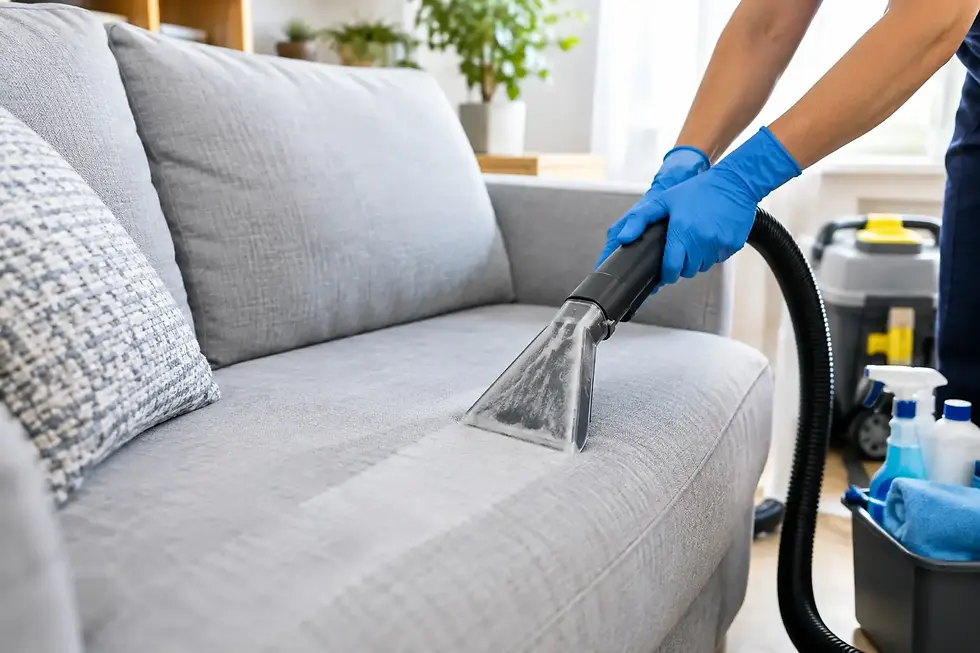
Professional-grade vacuum systems with proper filtration help capture fine particulates instead of redistributing them into the air. Surface-specific tools reduce the risk of scratching glass, stone, metal, and wood. Fast-drying methods are also important on soft surfaces because they help control downtime and reduce the chance of lingering moisture issues.
Training matters just as much. Different surfaces require different chemistry, pressure, dwell time, and agitation. Natural stone, polished marble, sealed wood, specialty flooring, and decorative finishes all need the right treatment. A qualified restorative cleaning specialist understands those differences and adjusts the process accordingly.
Residential and commercial needs are not the same
The core goal is the same in both environments, but the cleaning scope often changes depending on the property.
In a home, the priority may be protecting newly installed finishes, removing fine dust from living spaces, and preparing the property for immediate occupancy. Homeowners are often most concerned about residue on floors, cabinetry, countertops, bathrooms, and air vents, especially after kitchen remodels, additions, or full-home renovations.
In commercial and hospitality settings, speed, presentation, and health considerations usually carry more weight. Offices need to reopen without dust continuing to settle on desks and equipment. Hotels and rental properties need guest-ready presentation. Facilities managers often need a provider that can coordinate cleaning across multiple areas without disrupting final project timelines.
That is one reason many clients prefer a company with broader restoration and deep-cleaning capability. If post-construction dust has affected carpet, upholstery, tile, stone, or HVAC systems, it helps to have those services available under one roof instead of managing multiple vendors.
How to choose the right post construction cleaning services
Not every cleaning provider is built for this type of work. If the property includes high-value finishes, strict opening dates, or indoor air quality concerns, it is worth asking more detailed questions before booking service.
Look for experience with construction-related residue rather than general housekeeping alone. Ask whether the provider uses filtration equipment designed for fine dust, whether they have experience with specialty surfaces, and whether they can address related issues such as carpet cleaning, odor control, or HVAC contamination if needed.
For larger projects, consistency and communication matter as much as technical skill. The cleaning team should understand project timing, coordinate with final trades, and know how to deliver a handover-ready result. A dependable specialist will also be clear about what is included, what may require additional treatment, and where extra time may be needed.
Companies such as Prochem Bahamas are often selected for this kind of work because post-construction cleaning is strongest when backed by broader remediation and restorative cleaning expertise. That matters when the project includes more than surface dust and requires a provider that can solve the whole problem, not just the visible part.
The cost of rushing the final clean
When the final cleaning is treated as an afterthought, the property usually shows it. Glass still looks cloudy, corners hold dust, floors lose their finish, and occupants start noticing debris in vents and on surfaces within days. That creates callbacks, delays, and frustration at the exact moment the project should be wrapping up cleanly.
A thorough post-construction clean protects the investment that went into the build. It helps new materials look the way they should, supports better indoor air quality, and gives owners and occupants confidence that the space is genuinely ready for use.
The last phase of a project should not lower the standard set by everything that came before it. When the build is finished, the cleaning should be finished too - with the same level of care, precision, and professionalism.


Comments