


Best Commercial Floor Cleaning Methods for Facilities
A floor can look clean at opening time and still hold abrasive grit, oily residue, moisture, and embedded soil that shorten its service life. The best commercial floor cleaning methods do more than improve appearance. They protect a major building asset, support safer walking conditions, and help facilities maintain the standard guests, tenants, employees, and inspectors expect.
For commercial properties, there is no single product or machine that works everywhere. A hotel lobby with marble, a restaurant kitchen with tile, an office with carpet, and a retail space with luxury vinyl all require different chemistry, equipment, drying controls, and maintenance schedules. Choosing the wrong method can leave residue, dull a finish, damage a protective coating, or create slip risks.
Best Commercial Floor Cleaning Methods by Surface
The most effective approach starts with identifying the floor material, its finish, the amount of traffic it receives, and the type of soil it collects. Sand near entrances, cooking oils, spills, construction dust, and humidity-driven moisture are very different cleaning challenges.
Carpet: Hot Water Extraction for Deep Soil Removal
Commercial carpet traps fine grit well before it visibly looks dirty. That grit works through fibers as people walk over it, causing wear patterns, dull color, and a flattened appearance. Daily vacuuming is essential, especially at entrances, corridors, and high-use work areas, but it is not a substitute for periodic restorative cleaning.
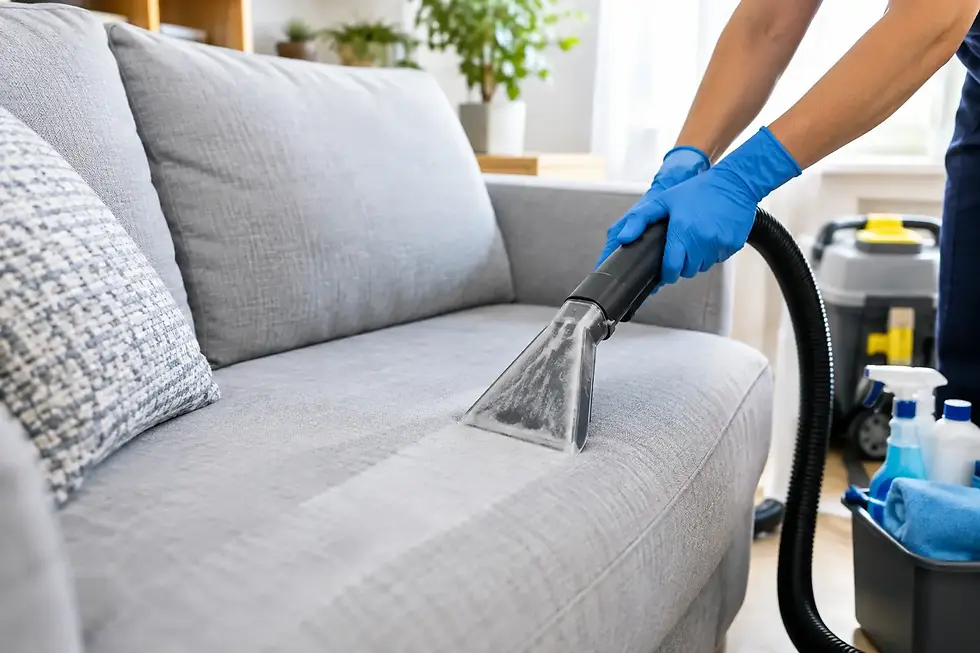
Hot water extraction is one of the best commercial floor cleaning methods for carpeted facilities because it flushes embedded soil, allergens, residues, and tracked-in contamination from the fibers. Professional equipment applies controlled cleaning solution and agitation, then recovers soil and moisture in the same process. The key is proper extraction. Over-wetting carpet or leaving detergent behind can lead to slow drying, resoiling, odors, and potential microbial concerns.
Low-moisture encapsulation can be useful between deep cleanings, particularly where fast turnaround is needed. It is not always the right choice for heavily soiled carpet, water damage, or odor problems. Those conditions typically require a more thorough restorative process and, in some cases, moisture assessment before cleaning begins.
Tile and Grout: Agitation and Extraction, Not Just Mopping
Ceramic and porcelain tile are durable, but grout lines are porous and collect oils, spills, soap residue, and fine dirt. In commercial restrooms, kitchens, entryways, and pool-adjacent areas, mopping alone often pushes dirty water across the surface without removing buildup from grout.
A professional tile and grout process uses the correct alkaline or neutral cleaner for the soil type, followed by mechanical agitation and high-pressure, controlled extraction. This lifts contamination from textured tile and grout joints while recovering the slurry instead of spreading it across the floor. For grease-heavy areas, degreasing chemistry and careful rinse recovery are especially important.
Acidic products should never be used casually. They can damage grout, etch certain natural stone surfaces, corrode nearby metals, and create safety concerns. Product selection must match the surface, not simply the visible stain.
Natural Stone: pH-Neutral Cleaning and Restorative Care
Marble, limestone, travertine, and other natural stones need more than routine mopping. These materials can be sensitive to acidic cleaners, abrasive pads, standing water, and incorrect polishing methods. A floor may lose its shine because of etching, scratches, or traffic wear, not because it is dirty.
For routine maintenance, use a pH-neutral stone cleaner with minimal water and clean microfiber tools. Dry soil removal matters because grit can scratch polished stone under foot traffic. For a dull, etched, or uneven finish, restorative honing and polishing may be needed rather than stronger cleaning chemicals.
Sealing can help reduce staining on appropriate stone and grout, but it is not a cure for poor maintenance. A sealer does not prevent etching, and it cannot repair damage already in the surface. Professional evaluation avoids the common mistake of applying coatings or sealers to floors that first need corrective restoration.
Wood Floors: Controlled Moisture and Finish Protection
Wood and engineered wood floors bring warmth and value to offices, residences, hospitality spaces, and public areas, but excess water is their enemy. Wet mopping, steam cleaning, harsh degreasers, and abrasive pads can damage finishes, raise the grain, cause cupping, or leave a hazy film.
The right commercial wood floor cleaning method uses frequent dry debris removal, a manufacturer-appropriate cleaner, and very limited moisture. Cleaning pads should be damp, not wet, and spills should be addressed immediately. If the finish is worn through, cleaning will not restore protection. Screening, recoating, or refinishing may be the proper solution depending on the floor's condition.
Vinyl, LVT, and Resilient Flooring: Clean Without Breaking Down the Finish
Luxury vinyl tile, sheet vinyl, and other resilient floors are common in healthcare, retail, offices, and multi-unit properties because they are durable and easy to maintain. Their performance still depends on using the proper cleaner and machine pad.
Neutral cleaning with an auto scrubber is effective for larger areas because it applies solution, agitates the surface, and recovers dirty water in one pass. This reduces downtime and limits the risk of leaving a wet floor behind. In areas with heavy buildup, a deeper scrub may be required, but overly aggressive pads or chemicals can remove finish, dull the surface, or damage wear layers.
Build a Cleaning Program Around Traffic and Soil
A reliable floor care program is based on conditions, not an arbitrary calendar. High-traffic entrances may require several rounds of dry soil removal each day, while low-use offices may need less frequent attention. Floors near beaches, loading areas, kitchens, and wet zones usually need more intensive maintenance because sand, grease, and moisture accelerate wear.
A practical program includes routine dry debris removal, scheduled damp cleaning or auto scrubbing, prompt spill response, and periodic deep cleaning. Entry mats should also be maintained. They capture a significant amount of grit and moisture before it reaches the floor, but only when they are vacuumed, extracted, and replaced as needed.
Cleaning frequency should increase when conditions change. Post-construction dust, storm-related moisture, a busy event season, or a change in tenant use can quickly overwhelm a schedule designed for normal traffic.
Equipment and Chemistry Matter as Much as Labor
Commercial cleaning quality is often decided by details that are easy to overlook. A mop bucket with cloudy water does not clean effectively. An auto scrubber with worn squeegees can leave moisture behind. The wrong pad can scratch a surface, while too much cleaning solution can create sticky residue that attracts more dirt.
Professional teams match equipment and chemistry to the floor and the contamination present. That may include HEPA vacuuming for fine particulate soil, counter-rotating brush equipment for carpet agitation, truck-mounted or portable extraction for restorative carpet care, and specialized tools for tile, grout, stone, and hard-to-reach edges.
Drying is also part of the method. Wet floors affect safety, operations, and indoor conditions. Effective recovery, air movement where appropriate, and controlled moisture use allow facilities to return spaces to service sooner.
When Routine Cleaning Is Not Enough
Some floor problems point to an underlying issue rather than a missed cleaning day. Persistent odors in carpet can indicate contamination beneath the surface. Repeated darkening of grout may signal embedded soil or cleaning residues. White haze on stone can be mineral deposits or etching. Wood discoloration can indicate moisture intrusion.
These conditions should be assessed before stronger products are applied. More chemical is rarely the answer, and it can make restoration more difficult. A qualified restorative cleaning specialist can determine whether the floor needs deep extraction, stripping and refinishing, stone honing, grout restoration, moisture investigation, or coordinated remediation work.
With 26 years of specialty cleaning and restoration experience, Prochem Bahamas helps commercial clients address routine floor care as well as the difficult situations that standard cleaning methods do not resolve. The goal is not simply a brighter surface for the day. It is a cleaner, safer floor that holds up under real use.
A well-maintained floor quietly signals how a property is managed. Set the right maintenance standard before traffic, residue, and moisture turn a cleanable condition into a costly restoration project.


Comments